

Cities are evolving at an accelerated pace with digitalization and the growth of the urban population. This growth brings complex challenges, such as the management of infrastructure, safety, mobility, and sustainability.
It is in this scenario that Smart Cities emerge as a solution, using technology to make the urban environment more efficient and connected. At the heart of this transformation is the software designed for smart cities.
In this article, we will explore what these municipalities are and the benefits of investing in an urban infrastructure management platform.
In this article
- What Are Smart Cities?
- Key Characteristics of a Smart City
- What is Smart City Software and What is its Purpose?
- Why Invest in Smart City Software?
- Exati: Software for Smart Cities
What Are Smart Cities?
A smart city is an urban environment that uses Information and Communication Technologies (ICT) to increase the efficiency of public services and improve the citizens’ quality of life. By connecting different areas, such as transport, energy, safety, and sanitation, these municipalities create an integrated infrastructure that facilitates data-driven decision-making.
The use of sensors, cameras, and IoT (Internet of Things) devices allows managers to monitor and adjust services in real-time, improving efficiency and optimizing resources. However, for all this to work in a coordinated manner, the use of smart city software is essential, as it centralizes the collection and analysis of this data.
Key Characteristics of a Smart City
Smart cities use advanced technology to optimize and integrate various aspects of urban life. Check out some of the main characteristics below:
1. Energy Efficiency
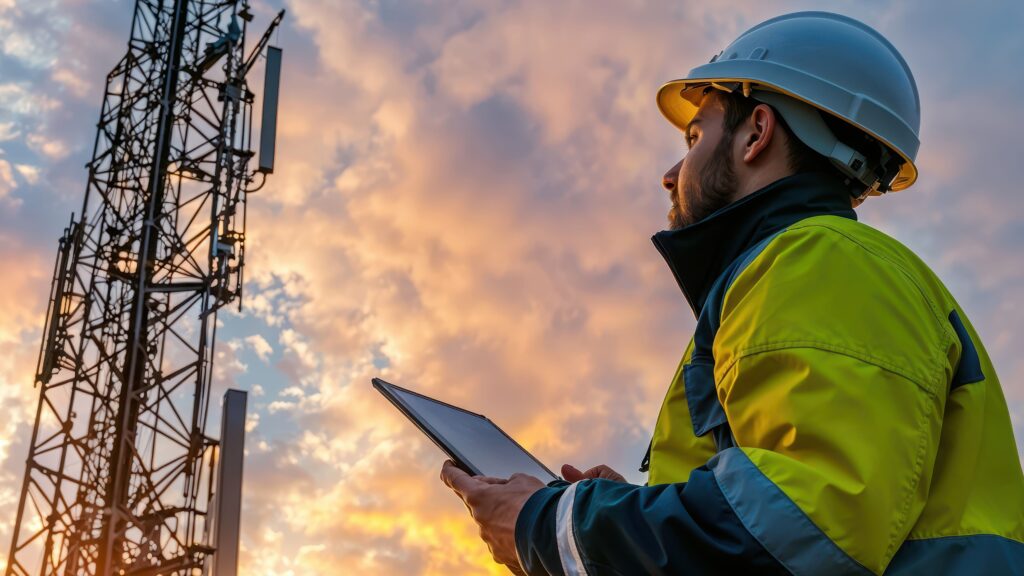
One of the priorities of a smart city is to ensure that energy is used more efficiently and sustainably. To achieve this, automated systems are installed to monitor and manage energy consumption in real-time, from Street Lighting to residential and commercial buildings. Furthermore, smart cities encourage the use of renewable energy sources, such as solar panels and wind power, integrating them directly into urban networks.
For example, sensors installed in light poles allow Street Lighting to be adjusted according to necessity: dimming during low-traffic hours and increasing intensity in high-flow areas or at nighttime.
2. Urban Mobility
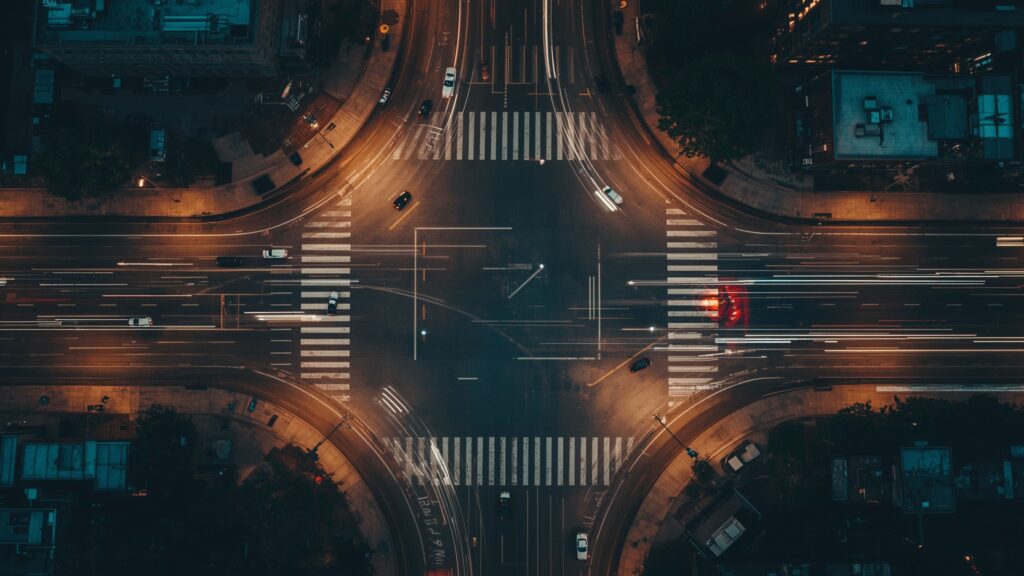
One of the biggest challenges for large municipalities is ensuring efficient and accessible mobility. Therefore, a smart city can implement Intelligent Transport Systems (ITS), which optimize vehicle movement through synchronized traffic lights, real-time traffic management, and road condition monitoring—allowing for the creation of more efficient routes, reducing congestion, and travel time.
3. Infrastructure Management
A pillar of a smart city, urban infrastructure management encompasses everything from the monitoring and maintenance of essential services, such as Street Lighting, to waste collection, sanitation systems, and Urban Tree Management.
With the use of sensors and IoT devices, it is possible to monitor the infrastructure condition in real-time. For instance, lighting sensors detect when a street light needs maintenance and automatically notify the responsible team, preventing the city from having dark areas for long periods.
Similarly, waste collection systems can be programmed to operate only when necessary, based on the fill level of the containers, which reduces route frequency and optimizes the use of collection vehicles.
4. Safety and Security
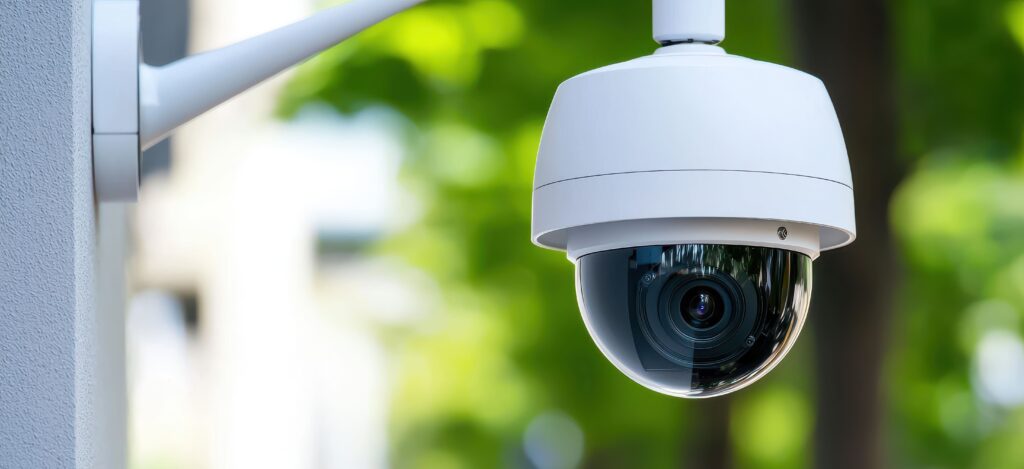
Safety and security are priorities in any municipality, and smart cities are no different. Here are some examples:
The use of smart cameras equipped with facial recognition and behavior analysis allows authorities to identify suspicious activities in real-time, enabling quick and targeted interventions.
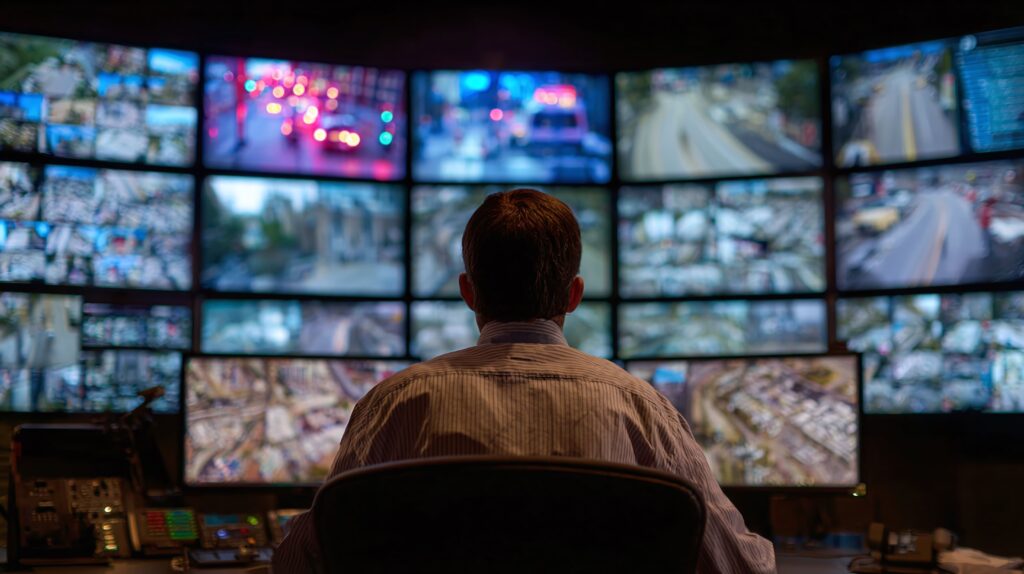
These cameras can be connected to control centers that constantly monitor the urban environment, facilitating communication between different departments, such as the police, fire department, and emergency medical services.
Another advancement in smart cities is security-focused IoT devices. Motion sensors, air quality monitoring devices, and connected fire detectors allow for an immediate response should emergency services need to be activated.
With this technology, municipalities can ensure more efficient prevention and more agile action during moments of crisis.
What is Smart City Software and What is its Purpose?
Smart city software is a technological platform that integrates different urban systems and services, allowing infrastructure, mobility, safety, and energy management operations to be managed centrally and efficiently.
These systems use real-time data to optimize processes, such as the maintenance of public equipment, traffic monitoring, and waste collection.
The primary function of intelligent software is to enable urban managers to make faster and more informed decisions, improving the efficiency of public services, reducing costs, and enhancing the population’s quality of life.
Why Invest in Smart City Software?
Adopting software for smart city management provides a series of benefits, both for public managers and citizens. Here are 5 advantages of investing in this technology:
1. Centralization of Information
Smart software integrates various systems into a single platform. This allows managers to track infrastructure in real-time, monitoring everything from traffic to energy consumption, all within a unified dashboard.
2. Improvement in Decision-Making
With sensors spread throughout the city and connected devices, the volume of data generated is enormous. Appropriate software transforms this raw data into actionable information, helping to identify patterns, predict problems, and implement solutions.
3. Reduction of Operational Costs
Automation and continuous monitoring of services such as Street Lighting, traffic control, and road maintenance can generate significant savings. By identifying failures and waste, the software reduces operational costs while keeping the city running more efficiently.
4. Increased Sustainability
With integrated systems, it is possible to adopt more sustainable practices. For example, intelligent energy management can prioritize renewable sources and optimize consumption. Furthermore, automated waste collection can be scheduled based on need, avoiding unnecessary routes and decreasing carbon emissions.
5. Improvement in Citizens’ Quality of Life
By implementing smart city software, the quality of life for citizens is also improved. Faster services, efficient transport systems, and better management of natural resources result in a more pleasant and functional environment for residents.
The ease of access to services through applications and digital systems also simplifies the daily lives of the population.
Exati: Software for Smart Cities
The Exati software was designed to integrate and simplify the management of urban infrastructures, providing greater efficiency, economy, and sustainability. With a focus on public infrastructure management, we offer solutions that encompass everything from Street Lighting to Urban Maintenance.
Using technologies such as Artificial Intelligence and IoT, the software enables real-time monitoring, allowing managers to identify problems before they even become critical. This means more predictability and fewer interruptions in the city’s operation.
Furthermore, with the Exati AI Route Planner, one of Exati’s newest functionalities, it is possible to plan optimized routes for field teams, increasing productivity and reducing costs.
Conclusion
Investing in software for smart cities is essential to face the modern challenges of urban areas. By integrating different systems and facilitating data analysis, these platforms provide more efficient and sustainable management, with benefits ranging from cost reduction to an improvement in the citizens’ quality of life.
Exati is at the forefront of this transformation, offering complete solutions for urban infrastructure management. If you want to know more about how our platform can help your city become smarter, click here.



Stay connected